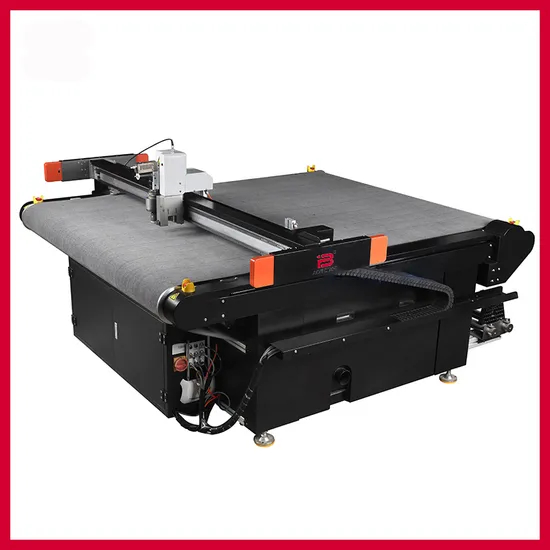
In the ever-evolving textile industry, precision and efficiency are crucial. Can a CNC fabric cutter revolutionize fabric cutting? This article explores the transformative role of CNC technology in textile manufacturing. You'll learn about the benefits of using CNC fabric cutters, including enhanced accuracy and reduced waste.
What is a CNC Fabric Cutter?
A CNC fabric cutter is a machine that uses Computer Numerical Control (CNC) technology to automate the fabric cutting process. CNC means a computer controls the machine’s movements based on programmed instructions. This technology allows the fabric cutter to follow precise cutting patterns without human intervention.
Traditionally, fabric cutting required skilled workers to manually cut layers of fabric using scissors or blades. This manual process was time-consuming, less consistent, and often led to fabric waste. CNC fabric cutters change all that by using computer programs to guide cutting tools—such as blades, lasers, or water jets—to cut fabric with exceptional accuracy and speed.
Here’s how CNC fabric cutters automate the process:
● Design Input: A digital design or pattern is created using specialized software. This design includes the exact shapes and sizes of the fabric pieces needed.
● Programming: The design file is converted into a CNC program that tells the machine how to move the cutting tool along the fabric.
● Material Loading: Fabric layers are spread out on the cutting table, sometimes stacked in multiple plies to speed up production.
● Automated Cutting: The CNC machine follows the programmed path, cutting the fabric precisely according to the pattern. It can adjust cutting depth and speed based on fabric type and thickness.
● Output: Cut fabric pieces are ready for assembly, with minimal errors or waste.
This automation reduces human error, speeds up production, and improves consistency. CNC fabric cutters can handle delicate silks, heavy denim, and synthetic textiles alike by adjusting cutting parameters. They also support complex shapes and intricate designs that would be difficult or slow to cut by hand.
In summary, CNC fabric cutters use computer-controlled tools to cut fabric automatically and precisely. They transform fabric cutting from a manual, labor-intensive task into a fast, efficient, and highly accurate process.
Note: CNC fabric cutters require accurate digital designs and proper programming to achieve optimal cutting results, so investing in good design software is crucial for maximizing their benefits.
Advantages of Using CNC Fabric Cutters
CNC fabric cutters bring several key benefits to textile manufacturing. These machines use computer control to cut fabric with high precision, speed, and efficiency—offering advantages traditional methods can't match.
Precision and Accuracy in Cutting Fabric
One of the biggest advantages is the precision CNC cutters provide. The computer-controlled blades or lasers follow exact digital patterns, cutting fabric pieces with millimeter-level accuracy. This precision reduces errors common in manual cutting, like uneven edges or mismatched pieces. It also allows for complex designs and intricate shapes that would be difficult or time-consuming to cut by hand.
For example, fashion designers can create detailed patterns with sharp curves and fine details. Automotive upholstery manufacturers can cut consistent, exact pieces that fit perfectly into vehicle interiors. The accuracy helps maintain quality standards and reduces the need for rework.
Efficiency and Speed in Production
CNC fabric cutters operate much faster than manual cutting. They can cut multiple layers of fabric simultaneously, increasing throughput and reducing lead times. The automation eliminates the need for skilled labor to cut by hand, freeing workers for other tasks.
The software-driven process also speeds up production. Once a pattern is programmed, the machine can repeat it flawlessly as many times as needed. This consistency enables mass production without sacrificing quality.
For instance, a furniture upholstery factory can cut dozens of identical cushion covers quickly, meeting tight deadlines. A medical textile producer can rapidly produce custom-sized materials for patient care products.
Reduction in Material Waste and Cost Savings
CNC cutters optimize fabric use by nesting patterns closely together. Nesting software arranges pieces to minimize gaps and leftover scraps. This efficient layout reduces fabric waste, which is a major cost factor in textile production.
Less waste means lower material costs and improved sustainability. Manufacturers save money and reduce environmental impact by using fabric more efficiently.
Additionally, CNC cutters lower labor costs. Automation reduces reliance on manual cutting, which requires skilled operators and more time. Over time, the machine's speed, accuracy, and waste reduction lead to significant cost savings.
Summary of Key Advantages
● Millimeter-level cutting accuracy reduces errors and improves quality
● Fast cutting speeds increase production output and shorten lead times
● Multi-layer cutting boosts efficiency by handling several fabric layers at once
● Optimized nesting minimizes fabric waste and lowers material costs
● Labor cost savings through automation and reduced manual work
These advantages make CNC fabric cutters an essential tool for modern textile manufacturers aiming to improve quality, speed, and profitability.
To maximize efficiency, integrate CNC fabric cutters with nesting software that optimizes pattern layout and minimizes fabric waste.
Types of CNC Fabric Cutters
CNC fabric cutters come in several types, each using a different cutting technology to handle various fabric materials and project needs. The main types include laser cutters, blade cutters, and water jet cutters. Understanding these options helps manufacturers choose the best machine for their production goals.
Laser Cutters
Laser cutters use a focused beam of light to cut fabric. The laser melts, burns, or vaporizes the material along the cutting path. This method offers:
● High precision: Lasers can create very detailed and intricate cuts, ideal for delicate designs.
● Clean edges: The heat seals fabric edges, reducing fraying for many synthetic textiles.
● Fast operation: Laser cutting is quick, especially for thin or single-layer fabrics.
● No physical contact: Since the laser doesn't touch the fabric, it’s great for fragile or stretchable materials.
However, laser cutters may not work well on thick or highly reflective fabrics. They also require ventilation systems to remove fumes produced during cutting.
Blade Cutters
Blade cutters use sharp rotary or oscillating blades to slice through fabric. These cutters physically cut the material by moving the blade along programmed paths. Blade cutters are known for:
● Versatility: They handle a wide range of fabrics, from delicate silks to heavy denim.
● Multi-layer cutting: Blade cutters can cut through many fabric layers at once, boosting production speed.
● Cost-effectiveness: Generally, blade cutters have lower operating costs compared to lasers.
● Adjustable settings: Blade depth and speed can be fine-tuned for different fabric types.
Blade cutters may cause edge fraying on some fabrics and require regular blade maintenance to keep cuts clean and accurate.
Water Jet Cutters
Water jet cutters use a high-pressure jet of water mixed with abrasive materials to cut fabric. This method is less common but offers unique advantages:
● No heat damage: Water jets cut without heat, preserving fabric integrity and color.
● Suitable for thick materials: They can cut through heavy or layered fabrics that lasers might struggle with.
● Smooth edges: Water jets produce clean edges without fraying or distortion.
Water jet cutting systems tend to be more expensive and slower than other types. They also require water management systems and abrasives, adding to operational complexity.
When selecting a CNC fabric cutter, consider fabric type, production volume, and edge finish requirements to choose between laser, blade, or water jet cutting technologies.
Applications of CNC Fabric Cutters in Various Industries
CNC fabric cutters are transforming many industries by bringing precision, speed, and efficiency to fabric cutting. Their ability to handle different materials and complex patterns makes them valuable across various sectors.
Fashion and Apparel
In fashion, CNC fabric cutters help designers and manufacturers produce garments faster and more accurately. They cut intricate patterns and multiple fabric layers quickly, maintaining consistency across batches. This precision reduces fabric waste and speeds up sample making and production runs. Designers can experiment with complex shapes and delicate fabrics without worrying about manual cutting errors.
Automotive and Marine
Automotive and marine industries use CNC fabric cutters to create upholstery, seat covers, and interior panels. These cutters handle tough materials like leather, vinyl, and composites with ease. They ensure every piece fits perfectly, improving comfort and aesthetics. The ability to cut multiple layers simultaneously reduces production time, helping manufacturers meet tight deadlines for vehicle assembly.
Furniture and Upholstery
Furniture makers rely on CNC fabric cutters for upholstery projects. These machines cut foam, leather, and fabric precisely for sofas, chairs, and cushions. The accuracy ensures seamless fitting and reduces material waste. CNC cutters also speed up production, allowing furniture companies to respond quickly to market demands and customization requests.
Medical Textiles
In medical textiles, CNC fabric cutters produce items such as surgical gowns, masks, and wound dressings. Precision is critical here to meet strict safety and quality standards. CNC cutters can handle delicate, sterile fabrics and cut complex shapes needed for medical products. This technology helps manufacturers maintain hygiene and reduce contamination risks by minimizing manual handling.

How CNC Fabric Cutters are Revolutionizing the Textile Industry
CNC fabric cutters are transforming textile manufacturing by speeding up production cycles and improving quality control. These machines bring precision and automation that traditional cutting methods can't match, changing how factories operate.
Impact on Production Cycles and Quality Control
CNC fabric cutters drastically shorten production times. They cut multiple fabric layers simultaneously, reducing manual labor and speeding up batch processing. This lets manufacturers meet tight deadlines and scale production efficiently. The machines also cut fabric pieces exactly to digital patterns, ensuring consistent quality across every batch. This repeatability cuts down errors, rework, and wasted materials.
For example, a fashion brand can produce hundreds of identical garment pieces quickly, maintaining uniformity in fit and style. Automotive upholstery makers benefit by getting perfectly cut parts that fit interiors without adjustments. The improved quality control means fewer returns and higher customer satisfaction.
Integration with Digital Design Software
One key advantage lies in how CNC cutters work with digital design tools. Designers create patterns using CAD or specialized textile software. These digital files directly feed into CNC machines, guiding cutting paths precisely. This integration allows quick changes to designs and easy scaling of production runs.
It also supports complex patterns and customized orders. For instance, a furniture maker can quickly switch from one cushion pattern to another without manual reprogramming. This flexibility reduces downtime and boosts responsiveness to market trends.
Future Trends and Innovations in Textile Manufacturing
The future holds even more exciting advances. Smart CNC cutters will feature real-time monitoring, adjusting blade speed or pressure based on fabric type automatically. Integration with AI and machine learning could optimize cutting layouts dynamically, reducing waste further.
Robotics may also combine with CNC cutting, automating fabric spreading and stacking to create fully automated production lines. Additionally, eco-friendly innovations like energy-efficient motors and low-waste cutting software will support sustainability goals.
In summary, CNC fabric cutters revolutionize textile manufacturing by enhancing speed, precision, and flexibility. Their integration with digital tools and emerging smart technologies promises a future of even more efficient, high-quality fabric cutting.
Choosing the Right CNC Fabric Cutter for Your Needs
Selecting the right CNC fabric cutter can make a big difference in your production efficiency and output quality. The decision depends on several key factors, including the type of projects you handle, your budget, and the space available for the machine.
Factors to Consider
● Project Type: Different fabric cutting jobs require different machine capabilities. For example, if you often work with delicate or stretchy fabrics, a laser cutter might be ideal because it cuts cleanly without physical contact. For heavy or multi-layered fabrics, blade cutters or water jet cutters may be better suited. Consider the complexity of your patterns, fabric types, and production volume when choosing a machine.
● Budget: CNC fabric cutters vary widely in price. Laser cutters and water jet cutters tend to be more expensive upfront and require more maintenance, while blade cutters generally cost less and have lower operating expenses. Think about your long-term savings from reduced waste and labor costs, not just the initial investment.
● Space Requirements: Some CNC fabric cutters are compact and fit well in smaller workspaces, while others need larger setups with additional equipment like ventilation or water management systems. Measure your available space and ensure proper installation conditions before purchasing.
Comparison with Traditional Fabric Cutting Machines
Traditional fabric cutting machines often rely on manual operation or semi-automated processes. They can be less precise and slower, especially when cutting complex patterns or multiple layers.
In contrast, CNC fabric cutters offer:
● Automation: CNC machines follow digital patterns precisely, reducing human error and increasing repeatability.
● Speed: They can cut multiple fabric layers simultaneously, boosting production rates.
● Material Efficiency: Advanced nesting software optimizes pattern layouts, minimizing fabric waste.
● Flexibility: CNC cutters can handle a wide range of fabrics and shapes with adjustable settings.
However, traditional machines might still be suitable for very small-scale projects or simple cuts where investment in CNC technology isn’t justified.
Evaluate your typical fabric types, production volume, and workspace size carefully to choose a CNC fabric cutter that balances cost, capability, and efficiency for your specific needs.
Conclusion
CNC fabric cutters offer precision, speed, and efficiency, transforming textile manufacturing by reducing waste and improving quality. They are used across industries like fashion, automotive, and medical textiles. The future of CNC technology promises further innovations, enhancing production cycles and quality control. BOPAI provides advanced CNC fabric cutters, offering unique benefits for manufacturers seeking to optimize their processes. These machines are a valuable investment for companies aiming to improve their production efficiency and output quality.
FAQ
Q: What is a CNC fabric cutter?
A: A CNC fabric cutter is a machine that uses Computer Numerical Control technology to automate and precisely cut fabric according to programmed designs.
Q: How does a CNC fabric cutter work?
A: CNC fabric cutters work by following digital patterns programmed into the machine, guiding cutting tools to cut fabric accurately and efficiently.
Q: Why use a CNC fabric cutter over manual cutting?
A: CNC fabric cutters offer higher precision, speed, and reduced fabric waste compared to manual cutting, improving production efficiency and quality.
Q: What types of fabrics can a CNC fabric cutter handle?
A: CNC fabric cutters can handle a variety of fabrics, including delicate silks, heavy denim, and synthetic textiles, by adjusting cutting parameters.
Q: How much does a CNC fabric cutter cost?
A: The cost of a CNC fabric cutter varies based on technology type—laser, blade, or water jet—and features, with prices ranging from affordable to high-end.