Are excavator buckets universal? This question often arises in construction and landscaping. Excavator buckets come in many designs, but they're not universally compatible. Choosing the right bucket is crucial for efficiency and safety. In this article, you'll learn about bucket compatibility, types, and how to select the right one for your excavator.
Understanding CNC Fabric Cutter Prices in 2025
Factors Influencing CNC Fabric Cutter Prices
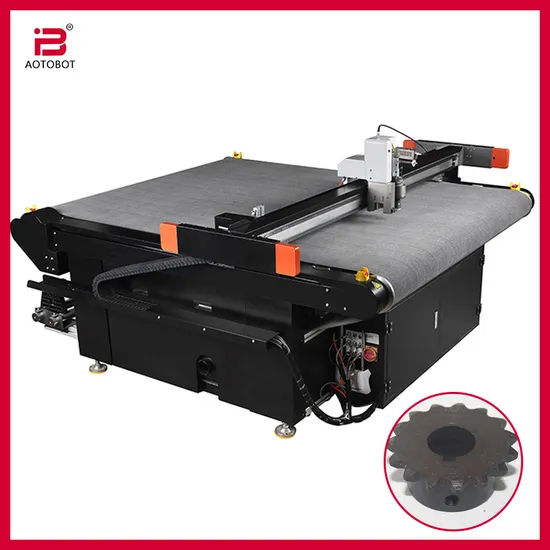
Several key factors shape CNC fabric cutter prices in 2025. First, machine type plays a major role — oscillating knife cutters often cost less than fully automatic fabric cutting machines due to their simpler mechanics. Second, cutting size and capacity matter; larger working areas or machines that handle thicker materials usually come at a premium.
Technology features also impact price. Models with advanced software, multi-tool heads, and high precision positioning systems tend to be more expensive. Brand reputation and after-sales support add value too, influencing cost. Additionally, safety features like infrared sensors and automatic pressure regulation contribute to price differences.
Material compatibility affects cost as well. Machines designed for versatile materials, including leather, foam, and textiles, often incorporate specialized tooling, raising the price. Lastly, warranty terms and availability of extended service plans influence total investment.
Expected Price Range for Different Models
In 2025, CNC fabric cutter prices vary widely based on these factors. Entry-level oscillating knife cutters typically range from $10,000 to $20,000. These models suit small to medium businesses focusing on soft materials like fabric and foam.
Mid-range automatic fabric cutting machines cost between $25,000 and $50,000. They offer faster cutting speeds, larger working dimensions, and enhanced software capabilities. These machines fit well in apparel manufacturing and automotive upholstery sectors.
High-end industrial CNC cutters, equipped with multi-function cutting heads and advanced control systems, can exceed $60,000. These models deliver top precision, handle various materials, and support high-volume production lines.
For example, a popular oscillating knife cutter model might cost $14,500 to $18,800, offering features like vacuum material fixing and multi-tool heads. Meanwhile, automatic fabric cutters from established manufacturers may start around $30,000, reflecting their durability and advanced automation.
Model Type | Price Range (USD) | Typical Use Case |
Entry-Level Oscillating Knife | $10,000 – $20,000 | Small businesses, soft materials |
Mid-Range Automatic Cutters | $25,000 – $50,000 | Apparel, automotive upholstery |
High-End Industrial Cutters | $60,000 and above | Large-scale production, multi-material |
Prices can fluctuate based on supplier location, import duties, and customization options. Businesses should also consider long-term operational costs, including maintenance and consumables.
Types of CNC Fabric Cutters Available in 2025
In 2025, the market offers several CNC fabric cutter types, each designed for specific cutting needs and materials. Two main categories dominate the scene: CNC Oscillating Knife Cutters and Automatic Fabric Cutting Machines.
CNC Oscillating Knife Cutters
These cutters use a motorized blade that moves up and down rapidly, slicing through materials cleanly without heat buildup. This action makes them perfect for soft and semi-rigid materials such as fabric, foam, leather, rubber, and cardboard. The oscillating knife design prevents material deformation and tearing, which is crucial for delicate textiles and intricate patterns.
Key advantages include:
● High precision: They follow programmed paths with accuracy, ideal for detailed designs.
● Material versatility: Can cut foam types (EVA, polyurethane), rubber, textiles, leather, and thin plastics.
● Efficiency: Fast cutting speeds reduce production time.
● Low maintenance: Less wear than rotary blades means fewer replacements.
● Safety features: Often equipped with infrared sensors and automatic pressure regulation.
For example, the STO1625A model offers a working area of 1600mm by 2500mm and can cut at speeds up to 2000mm/s. It supports multiple cutting heads like oscillating knives, round knives, and V-cut knives, adapting to various cutting tasks.
Automatic Fabric Cutting Machines
These machines are fully automated and designed for high-volume, consistent fabric cutting. They typically feature round blade cutters or reciprocating knives and are equipped with advanced software for pattern nesting, optimizing fabric use, and reducing waste.
Benefits include:
● Speed and accuracy: Automatic feeding and cutting processes minimize human error.
● Large cutting capacity: Suitable for big production lines in apparel and automotive upholstery.
● User-friendly software: Intuitive interfaces simplify programming and operation.
● Material compatibility: Handle a wide range of fabrics, including thick leather and non-woven textiles.
Manufacturers like YUCHON offer models that cater to both small batch and mass production. Their machines are known for durability, reliable customer support, and continuous software updates.
Comparison at a Glance
Feature | CNC Oscillating Knife Cutter | Automatic Fabric Cutting Machine |
Cutting Mechanism | Motorized oscillating blade | Automated round or reciprocating blade |
Ideal Materials | Soft, semi-rigid (foam, leather, fabric) | Various fabrics, including thick textiles |
Precision | Very high for intricate designs | High, optimized for volume |
Speed | Fast, but depends on complexity | Very fast for repetitive cuts |
Maintenance | Low, fewer blade replacements | Moderate, depends on blade type |
Typical Applications | Custom designs, mixed materials | Apparel manufacturing, automotive interiors |
Choosing between these depends on your production needs. Oscillating knife cutters excel in flexibility and delicate materials. Automatic machines shine in speed and volume for uniform cuts.
Benefits of Using CNC Fabric Cutters
CNC fabric cutters offer many advantages that make them essential tools in 2025’s manufacturing landscape. Their benefits range from precision to cost savings, helping businesses improve output quality and efficiency.
High Precision and Efficiency
One of the biggest perks of CNC fabric cutters is their high precision. They follow computer-programmed paths exactly, cutting fabric or other materials with minimal error. This accuracy is crucial for complex patterns or designs requiring tight tolerances. The machines operate quickly, speeding up production lines without sacrificing quality. By automating cutting tasks, they reduce human error and maintain consistent results across batches.
For example, an oscillating knife cutter can slice through delicate textiles without tearing or deforming edges. Meanwhile, automatic fabric cutters handle large volumes, producing uniform cuts rapidly. This precision and speed combination leads to higher throughput and less rework.
Versatility in Material Handling
CNC fabric cutters can work with a wide variety of materials beyond just cotton or polyester fabrics. They handle leather, foam, rubber, cardboard, and even thin plastics. This versatility allows manufacturers to use one machine for multiple product lines or projects.
Oscillating knife cutters excel at cutting soft and semi-rigid materials, while automatic cutters manage thicker textiles and leather efficiently. The ability to switch cutting heads or blades adds flexibility for different materials and thicknesses. This adaptability reduces the need for multiple specialized machines, saving factory floor space and investment costs.
Cost-Effectiveness and Reduced Waste
Using CNC fabric cutters reduces material waste significantly. The software optimizes pattern layouts, nesting pieces tightly to minimize leftover scraps. Precise cuts mean fewer mistakes and less wasted fabric, which directly lowers raw material costs.
Labor savings also contribute to cost-effectiveness. Automated cutting requires fewer operators and reduces fatigue-related errors. Maintenance costs tend to be lower than traditional cutting methods, especially for oscillating knife cutters that experience less blade wear. Over time, these savings add up, improving return on investment.
Additionally, CNC cutters help businesses meet sustainability goals by cutting waste and energy use. The cleaner cuts and efficient processes reduce the need for reprocessing or discarding defective parts.
Tip: To maximize benefits, choose a CNC fabric cutter that matches your main materials and production volume, ensuring you get precision, versatility, and cost savings tailored to your business needs.

Applications of CNC Fabric Cutters
CNC fabric cutters have become vital tools across many industries in 2025. Their precision and versatility help businesses improve quality and efficiency in various applications.
Textile and Apparel Industry
In the textile and apparel sector, CNC fabric cutters handle cutting tasks for everything from casual wear to high-end fashion. They cut fabrics like cotton, polyester, silk, and blends cleanly and quickly. This precision reduces fabric waste and speeds up production, especially for complex patterns and layered materials.
These machines also support custom garment manufacturing, allowing brands to offer personalized fits and designs. They handle delicate textiles without damage, which is crucial for fine fabrics. Apparel manufacturers benefit from faster turnaround times and consistent cuts that maintain quality standards.
Automotive and Leather Industries
Automotive upholstery and leather goods production rely heavily on CNC fabric cutters. These machines cut leather, synthetic leather, and foam used in car seats, door panels, and interior trims. Their ability to produce precise, repeatable cuts ensures perfect fits and reduces material waste.
Leather goods makers use CNC cutters for shoes, bags, and accessories. The machines handle thick, tough materials without fraying or tearing edges. This precision is essential for luxury products requiring high craftsmanship.
Packaging and Signage
In packaging, CNC fabric cutters create custom foam inserts, protective layers, and corrugated cardboard shapes. The machines cut materials to exact dimensions, improving product protection and presentation. This accuracy is key for industries shipping fragile or high-value items.
Signage and advertising industries use CNC cutters to produce banners, displays, and promotional materials. They cut various flexible materials like vinyl, fabric, and plastic sheets. Clean edges and detailed shapes enhance the visual appeal of signs and marketing displays.
Key Features to Look for in a CNC Fabric Cutter
When choosing a CNC fabric cutter in 2025, focusing on key features ensures you get a machine that fits your needs and delivers consistent results. Two main aspects to consider are technical specifications and safety and maintenance features.
Technical Specifications
The technical specs define how well the machine performs. Here are the critical points:
● Cutting Area Size: Larger cutting beds allow bigger fabric pieces or multiple smaller pieces cut simultaneously. Choose a size that matches your production scale.
● Cutting Speed: Faster machines boost productivity. However, speed shouldn't compromise cut quality. Look for models balancing speed and precision.
● Cutting Thickness Capacity: Different machines handle various material thicknesses. Ensure the cutter supports the thickest fabrics or materials you plan to use.
● Cutting Accuracy: Precision is vital, especially for intricate patterns. Look for machines offering repeated positioning accuracy within 0.01 to 0.02 mm.
● Multi-Tool Capability: Some cutters support multiple tool heads like oscillating knives, round knives, or V-cut knives. This flexibility lets you handle diverse materials and cuts.
● Software Compatibility: Advanced software for pattern design, nesting, and machine control is essential. It should be user-friendly and compatible with common file formats.
● Drive and Control Systems: Reliable servo motors, linear guides, and robust control systems ensure smooth, precise movements.
● Data Transmission: Ethernet or USB connectivity allows easy data transfer and remote updates.
Example: The STO1625A CNC oscillating knife cutter offers a 1600mm x 2500mm cutting area, speeds up to 2000mm/s, and multi-tool heads, making it versatile for many materials.
Safety and Maintenance Features
Safety and ease of maintenance reduce downtime and protect operators:
● Safety Sensors: High-sensitivity infrared sensors detect obstacles and stop the machine to prevent accidents.
● Automatic Pressure Regulation: Adjusts blade pressure automatically for even cutting and prevents fabric damage.
● Anti-Collision Systems: Protect the machine and tooling from accidental crashes.
● Emergency Stop Buttons: Easily accessible for quick shutdown in emergencies.
● Vacuum Material Hold-Down: Keeps fabric flat and stable during cutting, improving accuracy and safety.
● Maintenance Alerts: Some machines notify operators about blade wear or required servicing.
● Easy Blade Replacement: Quick-change blade systems minimize downtime.
● Software Updates: Regular firmware and software updates improve performance and security.
Proper maintenance extends machine life and maintains cutting precision. Regular cleaning, blade inspections, lubrication, and calibration are essential.
Choosing the Right CNC Fabric Cutter for Your Needs
Assessing Your Production Requirements
Picking the right CNC fabric cutter starts by understanding your production needs clearly. Ask yourself:
● What types of materials will you cut most often? Soft fabrics, leather, foam, or mixed materials?
● How large are the pieces you need to cut? Do you require a big cutting area or smaller precision cuts?
● What is your production volume? High-volume lines need faster, automated machines. Small batches may benefit from versatile oscillating knife cutters.
● How complex are your cutting patterns? Intricate designs demand high precision and multi-tool capability.
● What is your budget? Factor in not only the upfront cost but also operating expenses like maintenance, consumables, and software updates.
For example, a small apparel startup focusing on custom garments may do well with a mid-sized CNC oscillating knife cutter. In contrast, a large automotive upholstery factory might need a high-speed automatic fabric cutting machine to keep up with demand.
Comparing Different Brands and Models
Once you know your needs, compare brands and models carefully. Here’s what to look for:
● Reputation and Support: Choose manufacturers known for reliable machines and responsive customer service. Long warranties and easy access to spare parts matter.
● Machine Features: Check cutting area size, speed, accuracy, and tool options. Some brands offer modular heads for flexible cutting tasks.
● Software: Ensure the software is user-friendly and compatible with your design files. Regular updates and good technical support add value.
● Safety and Maintenance: Look for built-in safety sensors, easy blade replacement, and maintenance alerts. These reduce downtime and protect operators.
● Reviews and Case Studies: Read user reviews and industry case studies to see how machines perform in real settings.
● Price vs. Value: Don't just pick the cheapest model. Consider total cost of ownership including efficiency gains and waste reduction.
For instance, STYLECNC's STO1625A oscillating knife cutter offers a great balance of size, precision, and safety features for many businesses. YUCHON’s automatic fabric cutting machines stand out for durability and software innovation, ideal for high-volume production.
Conclusion
In 2025, CNC fabric cutting technology is evolving with trends toward increased precision and versatility. Investing in CNC fabric cutters offers significant benefits, including cost savings and efficiency. Companies like BOPAI provide advanced machines that enhance production capabilities. Their products, known for reliability and innovation, deliver value by meeting diverse cutting needs. As the industry progresses, choosing the right CNC fabric cutter becomes crucial for staying competitive and maximizing returns.
FAQ
Q: What is a CNC fabric cutter?
A: A CNC fabric cutter is a computer-controlled machine used to cut fabric and other materials with precision, utilizing various cutting mechanisms like oscillating knives or automated blades.
Q: How do CNC fabric cutters work?
A: CNC fabric cutters work by following programmed paths to cut materials accurately, using motorized blades or automated systems to ensure clean and precise cuts.
Q: Why are CNC fabric cutters beneficial?
A: CNC fabric cutters offer high precision, efficiency, material versatility, and cost savings by reducing waste and labor costs, enhancing production quality and speed.
Q: What factors influence CNC fabric cutter prices in 2025?
A: Factors include machine type, cutting size, technology features, brand reputation, material compatibility, and warranty terms, affecting CNC fabric cutter prices.
Q: How much does a CNC fabric cutter cost in 2025?
A: In 2025, CNC fabric cutter prices range from $10,000 for entry-level models to over $60,000 for high-end industrial cutters, depending on features and capabilities.