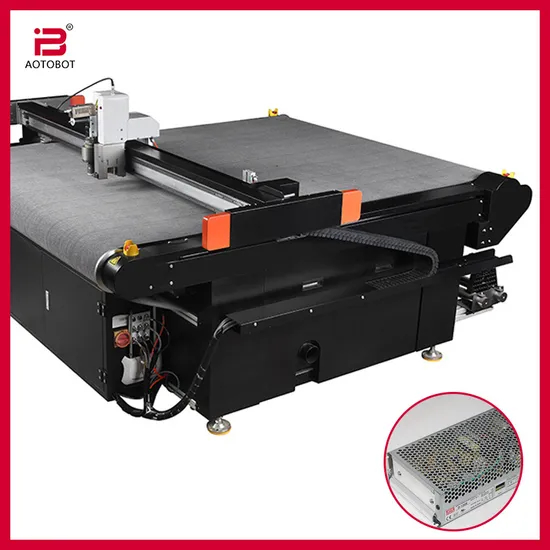
Ever wondered how your favorite clothes are precisely crafted? Textile cutting plays a crucial role in shaping garments. It's vital for ensuring quality and efficiency in the fabric industry. In this post, you'll learn about various methods, including laser textile cutting, CNC textile cutting, and automatic textile cutting machines.
Early Sewing Techniques and Innovations
Hand Sewing: The Origins
Long before sewing machines, people stitched fabrics by hand. Early humans used bone needles and sinew threads to join animal skins, a practice dating back thousands of years. Over time, needles evolved from bone to iron, and by the 15th century, eyed needles appeared, making sewing easier and faster. Hand sewing was essential for clothing and household items but was slow and labor-intensive.
The First Mechanical Sewing Attempts
Inventors aimed to speed up sewing by creating machines mimicking hand movements. The first known patent related to mechanical sewing was in 1755 by Charles Fredrick Wiesenthal for a needle designed for a machine. However, no complete machine resulted from this patent. In 1790, Thomas Saint patented a machine that used a chain stitch, specifically for leather and heavy materials, but it never became widely used.
In the early 1800s, several inventors made attempts, including Josef Madersperger and Balthasar Krems, but their machines failed to function reliably. These early efforts often involved complex needle motions passing entirely through the fabric, which early technology couldn't handle well.
Early Patents and Prototypes
By the 1830s, progress accelerated. Barthelemy Thimonnier, a French tailor, invented a machine using a hooked needle to produce a chain stitch. Although the stitch was weak for garment seams, Thimonnier's machine was the first functional sewing machine and was used to make uniforms. Unfortunately, his factory was destroyed by tailors fearing job loss.
In 1834, Walter Hunt created a machine that used two threads and a curved needle with the eye at the point, forming a chain stitch. Hunt’s machine introduced the idea of a shuttle carrying the lower thread through a loop made by the needle thread. Despite this innovation, Hunt didn’t patent his machine, fearing it would cause unemployment.
Elias Howe improved on these designs and in 1846 patented a machine using a lockstitch, which was stronger and more durable. His machine featured a needle with the eye at the point, a shuttle underneath the fabric, and an automatic feed mechanism. Although his machine was clunky and required constant adjustment, it laid the foundation for future developments.
Summary of Early Innovations
● Hand sewing: Slow, manual stitching with bone and iron needles.
● First mechanical attempts: Patents by Wiesenthal and Saint, but no working machines.
● Thimonnier's machine: First functional sewing machine using chain stitch.
● Hunt's innovation: Two-thread system with a curved needle and shuttle.
● Howe's patent: Lockstitch machine with automatic feed, needle eye at the point.
These early innovations set the stage for the sewing machine revolution, combining mechanical ingenuity with practical improvements that would soon transform textile manufacturing and home sewing.
The Invention of the First Functional Sewing Machine
Barthelemy Thimonnier's Contribution
In 1830, French tailor Barthelemy Thimonnier made a breakthrough. Instead of mimicking hand sewing, he designed a machine using a hooked needle to create a chain stitch. His machine was the first to actually work and was used to sew military uniforms. Though the chain stitch was weaker than the lockstitch, Thimonnier’s design proved a functional sewing machine could exist. His factory operated with about 80 machines, showing early industrial potential.
Challenges Faced by Early Inventors
Despite the promise, early inventors faced many hurdles. Technology then was limited—machines jammed, needles broke, and stitching wasn’t always reliable. Thimonnier’s chain stitch easily unraveled, making it unsuitable for strong seams in clothing. Walter Hunt, an American inventor, tried a two-thread chain stitch machine in 1834, introducing a shuttle to carry the lower thread. However, Hunt never patented his design, fearing it would cause unemployment. Elias Howe improved the design in 1846, patenting a lockstitch machine with a needle eye at the point and an automatic feed. Still, his machine was heavy, clunky, and often jammed. Early inventors struggled to create machines that were both functional and practical for widespread use.
The Riot Against Thimonnier's Machine
Thimonnier's invention sparked fear among tailors, who worried the machine would replace their jobs. This fear led to a violent backlash. In 1831, a group of angry tailors destroyed Thimonnier’s workshop and machines. This riot halted production and delayed sewing machine progress in France. The event shows the social resistance early inventors faced, as machines threatened traditional crafts and livelihoods.
Key Figures in Sewing Machine Development
Elias Howe and His Patented Design
Elias Howe is one of the most important figures in sewing machine history. In 1846, he patented a machine that used a lockstitch, which was stronger than earlier chain stitches. His design featured a needle with the eye at the point, a shuttle carrying the lower thread beneath the fabric, and an automatic feed system. These innovations made sewing machines more reliable and practical.
Howe’s machine wasn’t perfect—it jammed often and needed constant adjustment. Despite this, his patent laid the groundwork for future improvements. Howe struggled to sell his invention at first, as tailors preferred hand sewing since his machine was expensive and clunky. Later, Howe fought legal battles to protect his patent rights, which earned him significant royalties.
Walter Hunt's Innovations
Walter Hunt, an American inventor, created a sewing machine in 1834 that introduced key features still used today. His machine used two threads and a curved needle with the eye at the point. Hunt’s design included a shuttle to carry the lower thread through a loop made by the needle thread, forming a chain stitch.
Despite these innovations, Hunt never patented his machine because he feared it would cause unemployment. This decision cost him recognition and financial gain. His ideas, however, influenced later inventors like Elias Howe. Hunt’s machine was a crucial step in developing the modern sewing machine’s mechanics.
Isaac Singer's Commercial Success
Isaac Singer made significant contributions by improving the sewing machine's design and marketing. In 1851, he patented a machine with a straight needle moving up and down, powered by a foot treadle. This was different from earlier machines that used side-to-side needle motion and hand cranks.
Singer's machine was more user-friendly and suited for mass production. He partnered with businessman Edward Clark, who introduced installment payment plans and aggressive marketing strategies. These moves made sewing machines affordable and accessible to home users.
Though Singer's machine used the lockstitch patented by Howe, he was forced to pay royalties after losing a patent lawsuit. Despite this, Singer's business acumen helped his company become the world's largest sewing machine manufacturer. His commercial success popularized sewing machines globally.

The Sewing Machine Patent Wars
Howe vs. Singer: A Legal Battle
The sewing machine patent wars were fierce battles over the rights to key sewing machine inventions. Elias Howe, who patented the lockstitch sewing machine in 1846, held the most important patent. His design used a needle with the eye at the point and a shuttle carrying the lower thread beneath the fabric, creating a strong lockstitch. However, Howe struggled to sell his invention initially, and others began making similar machines.
Isaac Singer, a clever businessman and inventor, improved the sewing machine by introducing an up-and-down needle motion powered by a foot treadle. His machine was more user-friendly and suited for mass production but used the lockstitch mechanism Howe patented. Howe sued Singer for patent infringement in 1854 and won. The court upheld Howe's patent because Walter Hunt, who had an earlier similar design, never patented his machine.
Singer had to pay Howe royalties, which significantly increased Howe's income. This legal victory gave Howe control over the lockstitch patent and forced other manufacturers to license his patent or face lawsuits.
The Role of Walter Hunt in Patent Disputes
Walter Hunt, an American inventor, created a sewing machine in 1834 that used two threads and a curved needle with the eye at the point. His machine introduced the shuttle carrying the lower thread through a loop made by the needle thread, forming a chain stitch. Hunt never patented his invention because he feared it would cause unemployment.
Despite Hunt's lack of patent, his ideas influenced later inventors like Howe and Singer. When Howe sued Singer, Hunt was persuaded to claim that Howe had stolen his invention. However, Hunt’s case was dismissed because he refused to take a religious oath required by the court. This dismissal helped Howe keep his patent rights.
Impact of Patent Wars on Industry
The patent wars shaped the sewing machine industry significantly. In 1856, several manufacturers, including Howe, Singer, Wheeler & Wilson, and Grover & Baker, formed the Sewing Machine Combination. This patent pool allowed members to share patents and avoid costly lawsuits. Howe received annual royalties, while the companies could manufacture and sell machines legally.
This combination controlled the market until Howe’s patent expired in 1877. License fees were high, limiting competition but encouraging innovation within the pool. The patent wars also spurred improvements in sewing machine technology, production methods, and marketing strategies.
Eventually, the sewing machine became affordable for home use, revolutionizing clothing production and household sewing. The patent battles highlight how protecting inventions and collaborating through patent pools can both drive and regulate industrial growth.
The Rise of Industrial and Home Sewing Machines
Mass Production and Commercialization
The mid-19th century marked a turning point for sewing machines. Once inventions of curious mechanics, they became mass-produced tools transforming industries and homes. Manufacturers embraced assembly lines and interchangeable parts, drastically cutting costs and boosting output. This shift made sewing machines affordable beyond wealthy tailors and factories.
One key player was the Singer Company. Isaac Singer and his partner Edward Clark pioneered installment payment plans, allowing middle-class families to buy machines without upfront costs. Aggressive marketing targeted homemakers, portraying sewing machines as symbols of modern domestic life. By the 1870s, Singer led the world in sewing machine sales, proving commercial success hinged on production scale and smart sales strategies.
Introduction of Electric Sewing Machines
Electricity revolutionized sewing machines in the early 20th century. Before electrification, machines relied on foot treadles or hand cranks, limiting speed and causing user fatigue. The arrival of electric motors powered needles more consistently and faster, enhancing productivity.
Early electric models appeared around the 1880s but gained widespread adoption by the 1920s and 1930s. Brands like Singer introduced electric versions that were lighter, quieter, and easier to operate. The electric sewing machine expanded sewing beyond skilled tailors, empowering hobbyists and home sewers to create garments and crafts efficiently.
Influence on the Textile Industry
The rise of industrial and home sewing machines reshaped the textile industry profoundly. Factories could produce clothing and textiles faster and cheaper, fueling the growth of ready-to-wear fashion. Sweatshops emerged, often employing large numbers of workers operating multiple machines.
Sewing machines also boosted demand for complementary products. Spools of strong, uniform thread became essential, prompting thread manufacturers to innovate. For example, the Willimantic Linen Company specialized in sewing machine thread, supplying factories and home users alike.
At home, sewing machines became tools for self-expression and economic opportunity. Women could mend clothes, make household items, or even sew for income. This contributed to shifts in labor patterns and social roles, especially for middle-class women.
Modern Developments in Sewing Machine Technology
Advancements in Heavy Duty Sewing Machines
In recent decades, heavy duty sewing machines have seen significant improvements. These machines handle thick fabrics like leather, denim, and canvas with ease. Manufacturers use stronger motors and durable metal frames to boost power and stability. Advanced needle designs reduce breakage, and improved feed systems ensure smooth fabric movement. These upgrades help professionals and hobbyists tackle tough sewing projects faster and more reliably. For example, industrial-grade machines now sew multiple layers without jamming or slowing down, increasing productivity in factories and workshops.
Integration of Digital Features
Digital technology transformed sewing machines by adding precision and versatility. Modern machines often include LCD touchscreens for easy stitch selection and customization. They come preloaded with hundreds of stitch patterns, including decorative and utility stitches. Some models connect to computers or smartphones, allowing users to download new designs or update software. Features like automatic thread cutting, needle positioning, and tension control reduce manual adjustments. Embroidery machines now use digital files to create intricate patterns with perfect accuracy. These digital tools make sewing more accessible and enjoyable, especially for beginners and creative professionals.
Current Trends and Future Prospects
Today's sewing machines blend traditional mechanics with smart technology. Wireless connectivity and app integration let users control machines remotely or share patterns online. Artificial intelligence is beginning to appear, helping machines adjust settings automatically based on fabric type or stitch style. Sustainability is also a focus; companies develop energy-efficient motors and recyclable parts to reduce environmental impact. Additionally, compact and portable models cater to small studios and home users who want convenience without sacrificing functionality.
Looking ahead, we can expect even more automation, such as machines that detect fabric thickness and adjust speed or stitch length on the fly. 3D sewing and fabric printing technologies may merge with traditional sewing, opening new creative possibilities. As sewing machines evolve, they will continue to empower makers, designers, and manufacturers worldwide.
Conclusion
The history of sewing machines highlights significant innovations, from hand sewing to mechanical and digital advancements. Early inventors like Thimonnier, Hunt, and Howe laid the groundwork for modern sewing technology, overcoming technical and social challenges. Today, sewing machines integrate digital features, enhancing precision and creativity. As we look to the future, advancements promise even more efficiency and sustainability. Companies like BOPAI offer products that blend traditional craftsmanship with modern technology, providing versatile and reliable solutions for both professionals and hobbyists.
FAQ
Q: What is a Heavy Duty Sewing Machine?
A: A Heavy Duty Sewing Machine is designed to handle thick fabrics like leather and denim, featuring stronger motors and durable metal frames for increased power and stability.
Q: How did early sewing machines impact the textile industry?
A: Early sewing machines revolutionized the textile industry by enabling faster and cheaper clothing production, leading to the growth of ready-to-wear fashion and the emergence of sweatshops.
Q: Why are Heavy Duty Sewing Machines important for professionals?
A: Heavy Duty Sewing Machines are crucial for professionals as they allow for efficient sewing of tough materials without jamming, boosting productivity in factories and workshops.
Q: What advancements exist in modern Heavy Duty Sewing Machines?
A: Modern Heavy Duty Sewing Machines feature advanced needle designs, improved feed systems, and digital technology like LCD touchscreens for precision and versatility.
Q: How do Heavy Duty Sewing Machines compare to standard machines?
A: Heavy Duty Sewing Machines are more powerful, handling thicker materials with ease, while standard machines are suited for lighter fabrics and general home sewing tasks.