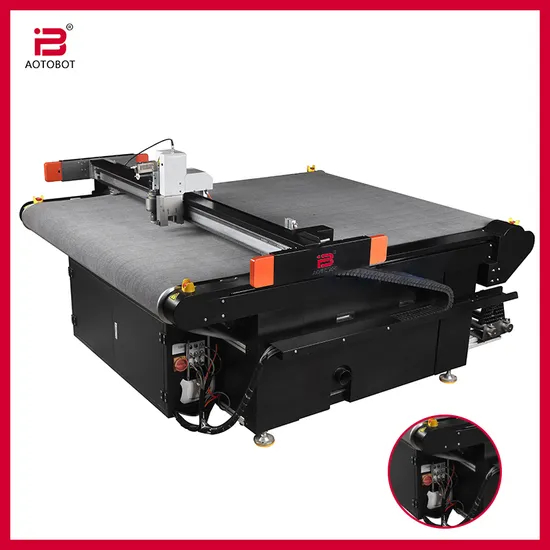
Ever wondered how your favorite clothes are precisely crafted? Textile cutting plays a crucial role in shaping garments. It's vital for ensuring quality and efficiency in the fabric industry. In this post, you'll learn about various methods, including laser textile cutting, CNC textile cutting, and automatic textile cutting machines.
Manual Textile Cutting Methods
Manual textile cutting remains a fundamental skill in the fabric industry. It involves using hand-operated tools to cut fabric into desired shapes and sizes. Despite the rise of automated technologies, manual methods are valued for their precision in small-scale or intricate work.
Cutting with Scissors
Scissors are the most traditional tool for cutting textiles. They come in various sizes and types, designed specifically for fabric. Fabric scissors have sharp, smooth blades that glide through cloth without snagging or damaging fibers. When cutting, the fabric should lie flat on a stable surface. Hold it taut with one hand, and cut smoothly with the other. Scissors work best for detailed cuts, curves, and trimming seams. However, they require skill and patience to maintain accuracy, especially when cutting multiple layers.
Rotary Cutter and Cutting Mat
A rotary cutter features a round, sharp blade that rolls as it cuts. It’s ideal for cutting straight lines and large fabric pieces quickly. Using a rotary cutter requires a cutting mat underneath to protect surfaces and keep the blade sharp. The mat also has measurement grids to help guide cuts. This method is popular among quilters and designers who need clean, consistent edges. The rotary cutter can cut through several layers of fabric at once, saving time compared to scissors.
Craft Knife Techniques
Craft knives, like the X-ACTO, offer precision for cutting soft or delicate textiles. They have a small, sharp blade that can make fine, detailed cuts. Typically used on a cutting mat, the craft knife is guided by a ruler or template to ensure straight lines. This tool is excellent for cutting intricate shapes or patterns that scissors or rotary cutters can’t handle easily. Craft knives demand a steady hand and careful attention but deliver excellent control over the cutting process.
Die Cutting in Textile Industry
Die cutting is a popular method in the textile industry, especially when mass production and uniformity are key. It uses a steel die shaped like the desired pattern to cut through fabric layers quickly and accurately.
How Die Cutting Works
A die is a sharp blade formed into a specific shape. This die presses down on stacked layers of fabric, cutting all layers at once. The fabric lies flat on a sturdy surface, and the die either presses or strikes down with force to slice through the material cleanly. The shape of the die matches the pattern you want to produce, such as collars, pockets, or other garment components.
There are two main types of dies:
● Strip steel dies: These are cheaper but cannot be sharpened and must be replaced when dull.
● Forged dies: More expensive but can be resharpened multiple times, offering long-term durability.
The depth of the cut depends on the die’s position and the thickness of the fabric stack. Die cutting is excellent for small, repetitive pieces that need to be identical.
Advantages of Die Cutting
Die cutting offers several benefits:
● Speed: It can cut many layers at once, accelerating production.
● Precision: The die shape ensures each piece matches perfectly.
● Consistency: Every cut is uniform, which is vital in mass production.
● Reduced labor: Once the die is made, the process is largely automated, needing less manual skill.
● Cost-effective for large runs: Though initial die creation costs are high, the per-piece cost drops significantly in volume.
However, die cutting is less flexible for small batches or designs that frequently change. Creating new dies can be costly and time-consuming.
Applications in Mass Production
Die cutting is widely used in garment factories and textile manufacturers producing large quantities of the same product. It’s ideal for cutting components like:
● Shirt collars and cuffs
● Pockets and flaps
● Upholstery pieces
● Leather goods and accessories
This method helps maintain quality control by producing identical parts quickly. It’s common in industries where efficiency and repeatability are critical, such as fashion apparel, automotive textiles, and home furnishings.
CNC Textile Cutting
CNC cutting, or Computer Numerical Control cutting, is a highly precise method used in the textile industry. It relies on computer programming to control cutting machines, ensuring accuracy and repeatability. This technology has transformed fabric cutting by automating complex patterns and reducing human error.
What is CNC Cutting?
CNC cutting involves machines guided by digital instructions to cut fabric layers. The process starts by programming the desired shapes and sizes into software. The machine then follows these instructions to cut fabric using tools like knives or lasers. This method can handle multiple layers at once and is suitable for a wide range of textiles, including delicate and technical fabrics.
The precision of CNC cutting comes from its ability to follow exact patterns repeatedly without deviation. This consistency is crucial for large-scale production where uniformity matters.
Benefits of CNC Cutting
● High Precision: CNC machines cut fabric exactly as programmed, minimizing mistakes.
● Efficiency: Automated cutting speeds up production and reduces labor costs.
● Material Savings: The software optimizes fabric layout, reducing waste.
● Flexibility: CNC cutting can handle complex designs and various fabric types.
● Repeatability: Produces identical pieces batch after batch, essential for quality control.
These benefits make CNC cutting ideal for industries requiring both speed and precision, such as fashion, automotive textiles, and upholstery.
Laser Precision in CNC Cutting
One advanced form of CNC cutting uses laser technology. A focused laser beam cuts fabric by melting or vaporizing fibers along the cut line. This method offers several advantages:
● Clean Edges: Laser cuts produce smooth, sealed edges that reduce fraying.
● Intricate Patterns: The laser can cut complex shapes that are difficult with traditional blades.
● No Physical Contact: Since the laser doesn’t touch fabric, it prevents distortion or damage.
● Speed: Laser cutting is fast, especially for single-layer or thin fabrics.
However, laser cutting works best on synthetic or blended fabrics that seal well when heated. Natural fibers may char or burn, so care is needed.
Automatic Textile Cutting Machines
Automatic textile cutting machines have transformed fabric cutting in the industry. These machines use computer-controlled systems to cut fabric quickly and accurately, handling multiple layers at once. They bring efficiency and consistency, making them essential for large-scale production.
Types of Automatic Cutting Machines
Several types of automatic cutting machines exist, each suited for different needs:
● Straight Knife Machines: These use a vertically moving blade to cut fabric layers. Operators guide the blade along patterns. They work well for medium to large batches and various fabric types.
● Band Knife Machines: Featuring a continuous loop blade, these machines cut fabric by moving it over the blade. They are excellent for cutting complex shapes and thick materials.
● Round Knife Machines: These have a circular blade and are often used for cutting straight lines on thinner fabric stacks.
● Computerized Cutting Tables: These tables integrate computer software with cutting heads that use knives or lasers. They follow digital patterns for precise cuts and can handle multiple layers.
● Laser Cutting Machines: Though sometimes categorized separately, laser cutters can be part of automatic systems, providing clean, sealed edges on synthetic textiles.
Each type offers different benefits depending on fabric type, thickness, and production volume.
Efficiency and Consistency
Automatic machines cut fabric faster than manual methods, often handling dozens of layers simultaneously. This speed reduces labor costs and shortens production cycles. The computer control ensures each cut matches the programmed pattern exactly, eliminating human error.
Consistency is vital in garment manufacturing. Automatic cutting machines produce identical pieces batch after batch, supporting quality control. They also optimize fabric use by nesting patterns closely, reducing waste.
Impact on Production Speed
By automating the cutting process, manufacturers can scale production without sacrificing quality. Faster cutting means quicker turnaround times, helping meet tight deadlines and high demand.
Additionally, these machines reduce physical strain on workers, improving workplace safety and reducing fatigue-related errors. The integration of software allows easy switching between designs, supporting flexible manufacturing.
Laser Textile Cutting Technology
Laser cutting uses a focused beam of light to slice through fabric. It works by directing a high-energy laser at the textile, which heats, melts, or vaporizes the material along the cut line. This process creates precise, clean edges without physical contact between the tool and fabric.
How Laser Cutting Works
The laser beam focuses on a tiny spot, concentrating heat to cut through one or two fabric layers at a time. The cutting head moves according to computer-controlled patterns, allowing intricate shapes and delicate designs. Since the laser seals the fabric edges by melting fibers, it reduces fraying, especially on synthetic textiles.
The system includes several components:
● Laser source: Generates the beam.
● Cutting head: Directs the laser onto fabric.
● Computer control: Programs and guides the cutting path.
● Extraction system: Removes fumes and debris.
Laser cutting is generally done on single layers because the beam's penetration depth limits thicker stacks.
Advantages of Laser Cutting
● Precision: The laser follows exact digital patterns, producing sharp, detailed cuts.
● Clean edges: Sealed edges prevent fraying and reduce finishing work.
● No mechanical stress: No blade contact means less distortion or damage to delicate fabrics.
● Speed: Fast cutting on single layers compared to manual methods.
● Complex shapes: Can cut intricate designs hard to achieve with traditional blades.
● Reduced waste: Accurate cuts help optimize fabric use.
Laser cutting suits synthetic fabrics like polyester and nylon best, as these materials melt and seal cleanly. It’s widely used in fashion, technical textiles, and accessories where detail and edge quality matter.
Limitations and Considerations
● Layer limitation: Usually cuts only one or two layers at once, limiting mass production speed.
● Material restrictions: Natural fibers (cotton, wool) may burn or char, leaving undesirable marks.
● Equipment cost: High initial investment and maintenance costs.
● Safety: Requires proper ventilation and safety measures to handle fumes and laser exposure.
● Edge feel: Sealed edges may feel stiff or harsh on some fabrics, affecting comfort.
Manufacturers should weigh these factors before selecting laser cutting. It excels in precision and edge finish but may not suit all fabric types or production volumes.

Advanced Methods: Water Jet and Ultrasonic Cutting
In the textile industry, advanced cutting methods like water jet and ultrasonic cutting offer unique benefits. These techniques provide precision and care for delicate or technical fabrics, expanding options beyond traditional cutting tools.
Water Jet Cutting Process
Water jet cutting uses a powerful stream of water mixed with abrasive particles to slice through fabric. The water is pressurized to extremely high levels, allowing it to cut cleanly without heat or mechanical force. This makes water jet cutting ideal for materials sensitive to heat or pressure.
The process involves directing the water jet through a narrow nozzle onto the fabric. The abrasive particles help erode fibers, creating a precise cut. Water jet cutting can handle multiple layers but is most effective on thinner stacks to maintain accuracy.
Advantages include:
● No heat damage or distortion to fabric
● Ability to cut complex shapes and patterns
● Suitable for delicate materials like silk or wool
● Minimal mechanical stress, preserving fabric integrity
However, water jet cutting can leave fabric edges slightly damp, requiring drying. Also, the equipment is costly and requires water management systems.
Ultrasonic Cutting Benefits
Ultrasonic cutting uses high-frequency sound waves to generate heat at the blade edge. This heat melts synthetic fibers as the blade slices through, sealing edges instantly. This prevents fraying and eliminates the need for additional finishing.
Key benefits of ultrasonic cutting:
● Clean, sealed edges on synthetic fabrics
● Reduced fraying and lint generation
● Precise cuts on complex shapes
● Suitable for single layers or thin stacks
● Faster processing compared to traditional blades
Ultrasonic cutting is especially useful in technical textiles and medical fabrics, where cleanliness and edge quality are critical. It works best on thermoplastic materials that melt under heat.
Applications in Technical Textiles
Both water jet and ultrasonic cutting find strong use in technical textiles, which demand precision and material preservation. Examples include:
● Medical textiles like surgical gowns and masks
● Automotive textiles requiring exact shapes and sealed edges
● Protective clothing with complex patterns
● Composite materials used in aerospace and sports equipment
These methods help maintain the functional properties of technical fabrics while ensuring accuracy and efficiency.
Tip: Use water jet cutting for delicate natural fibers and ultrasonic cutting for synthetic textiles needing sealed edges to optimize quality and reduce finishing steps.
Choosing the Right Textile Cutting Method
Selecting the best textile cutting method depends on several key factors. Understanding these will help you balance quality, efficiency, and cost for your specific needs.
Factors Influencing Method Selection
● Fabric Type: Natural fibers like cotton or wool behave differently than synthetics such as polyester or nylon. Some methods, like laser or ultrasonic cutting, work better on synthetics because they seal edges and prevent fraying.
● Production Volume: Manual cutting suits small runs or custom pieces. For mass production, automated or die cutting methods offer speed and consistency.
● Complexity of Design: Intricate patterns require precise methods such as CNC or laser cutting. Simple shapes can be cut manually or by die cutting.
● Layer Thickness: Cutting multiple fabric layers saves time but demands powerful tools. Die cutting and automatic machines can handle thick stacks better than laser cutting, which is limited to one or two layers.
● Budget and Equipment Availability: Manual tools cost less upfront but increase labor costs. High-tech machines require significant investment but reduce waste and improve throughput.
● Edge Finish Requirements: Some projects need sealed edges to prevent fraying, favoring laser or ultrasonic cutting. Others may allow raw edges, suitable for scissors or rotary cutters.
Comparing Different Methods
Method | Best For | Pros | Cons |
Scissors (Manual) | Small batches, detailed work | Low cost, good control | Slow, labor-intensive |
Rotary Cutter | Straight cuts, quilting | Fast, cuts multiple layers | Requires cutting mat, less precise on curves |
Die Cutting | Mass production, uniform shapes | High speed, consistent results | High initial die cost, less flexible |
CNC Cutting | Complex patterns, precision | Automated, reduces waste | Expensive, requires programming |
Laser Cutting | Synthetic fabrics, detailed cuts | Clean edges, no physical contact | Limited layers, costly equipment |
Automatic Machines | Large volume, varied fabrics | Fast, consistent, reduces labor | High investment, maintenance needed |
Water Jet Cutting | Delicate natural fibers | No heat damage, precise | Expensive, damp edges |
Ultrasonic Cutting | Thermoplastic fabrics | Seals edges, reduces fraying | Limited to synthetics, specialized equipment |
Tips for Optimal Method Choice
● Match the method to fabric type for best results. For example, avoid laser cutting natural fibers prone to burning.
● For small or custom jobs, manual cutting tools offer flexibility and control.
● Invest in automated or CNC systems when production volume and pattern complexity justify costs.
● Consider edge finish needs early. Laser and ultrasonic cutting reduce finishing steps.
● Maintain blades and machines regularly to ensure clean cuts and reduce fabric waste.
● Use software optimization for CNC and automatic cutting to maximize fabric use.
● Test new methods on sample fabrics before full production runs.
By weighing these factors carefully, you can select a textile cutting method that balances quality, cost, and efficiency for your project.
Conclusion
Textile cutting methods vary, from manual tools like scissors to advanced techniques like CNC and laser cutting. Each method offers unique benefits, suited to different fabric types, production volumes, and design complexities. As technology advances, automated cutting systems are likely to dominate, enhancing precision and efficiency. When selecting a cutting method, consider fabric type, design needs, and budget. BOPAI provides innovative solutions, ensuring high-quality cuts with advanced technology, adding significant value to textile production processes.
FAQ
Q: What is textile cutting?
A: Textile cutting refers to the process of slicing fabric into specific shapes and sizes, essential in garment and textile production. Methods include manual tools like scissors, rotary cutters, and advanced techniques like CNC textile cutting and laser textile cutting.
Q: How does a CNC textile cutting machine work?
A: A CNC textile cutting machine operates using computer programming to guide cutting tools, ensuring precise and repeatable fabric cuts. It can handle complex patterns and multiple layers, enhancing accuracy and efficiency in production.
Q: Why choose laser textile cutting over manual methods?
A: Laser textile cutting offers precision with clean, sealed edges, reducing fraying. It excels in cutting intricate patterns without physical contact, unlike manual methods, making it ideal for synthetic fabrics and detailed designs.
Q: What are the benefits of automatic textile cutting machines?
A: Automatic textile cutting machines increase production speed and consistency by handling multiple fabric layers simultaneously. They reduce labor costs, improve accuracy, and optimize fabric use, essential for large-scale manufacturing.